

April 2025 Newsletter




Today’s newsletter features Oral Roberts University’s integration into the OSPool, the Thyme Lab’s use of high throughput computing to unlock new frontiers in drug discovery, and the upcoming events: Throughput Computing Week 2025, the 40 Years of The Condor Project: A Celebration, and the OSG School.
To explore more about us, check out our about page and last month’s newsletter.
Story Highlights
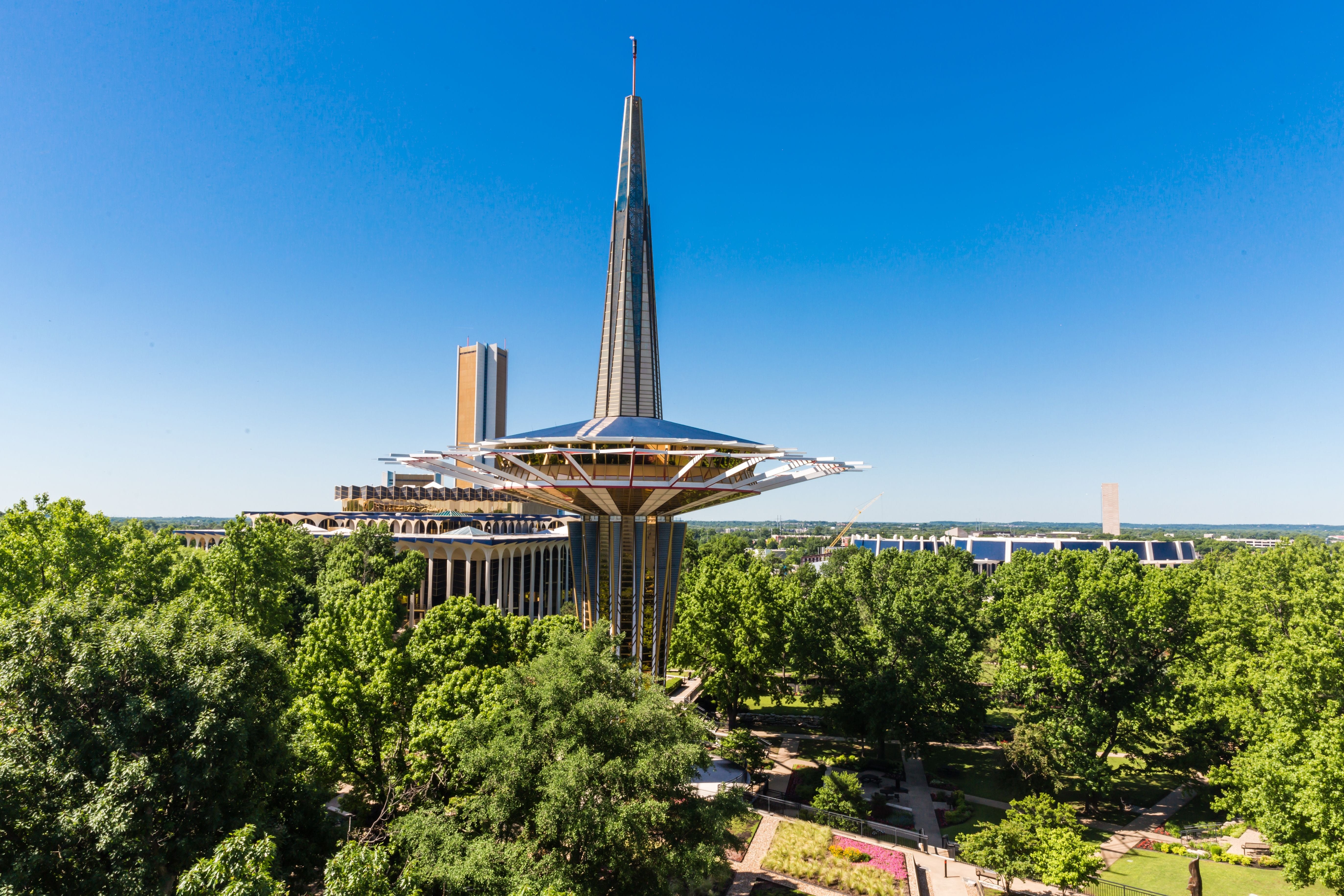
“Oral Roberts University Advances Cyberinfrastructure with OSPool Integration” by Kallen Wank
Oral Roberts University (ORU) in Tulsa, Oklahoma, recently joined the Open Science Pool (OSPool) after receiving an NSF CC* award to boost campus cyberinfrastructure. Led by Dr. Stephen Wheat, ORU completed integration in just 45 minutes—one of the fastest to date.
Through OSPool, ORU is expanding access to research computing while offering students hands-on experience in big data and high-performance computing. Read more about ORU’s rapid integration and commitment to shared research infrastructure here.
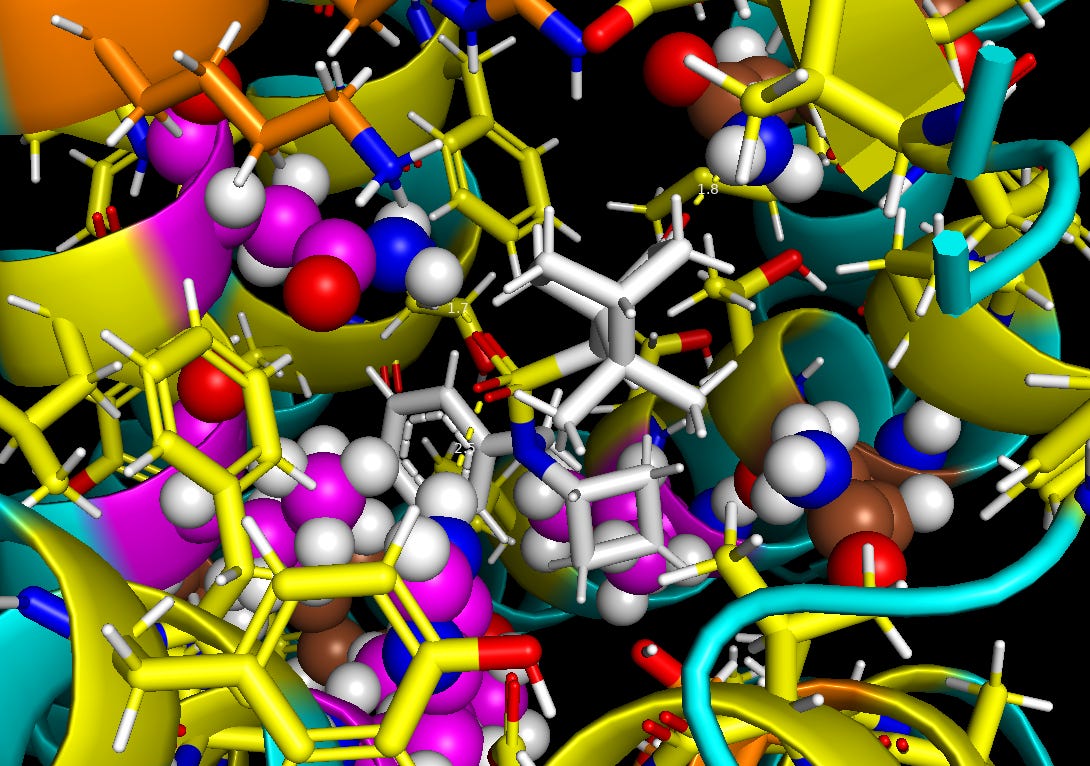
“Unlocking New Frontiers in Drug Discovery: High Throughput Computing in the Thyme Lab” by Kallen Wank
The Thyme Lab, now based at UMass Chan Medical School, is leveraging the OSPool’s high throughput computing power to accelerate discoveries in neurodevelopmental drug research. The lab uses zebrafish and protein modeling software to identify potential treatments for disorders like insomnia and narcolepsy. Through support from the OSG Office Hours and a tenfold increase in computing capacity, the Thyme Lab has run over 4.7 million jobs in the last 12 months —pushing the boundaries of computational drug discovery. Read more, here.
To explore previous news features, check out our news stories page here.
LIGO’s 200th Gravitational Wave Detection
LIGO-Virgo-KAGRA announced their 200th Gravitational Wave Detection of O4. Dr. Stuart Anderson, who serves as the LIGO Scientific Computing Lead, reported that “most, but not quite all, of the O4 detections (and rapid followup analysis, i.e., skymaps and other parameter estimation) were made using HTCondor.”
Tip of the Month - Using Containers
Containers make your projects easier and more efficient. They’re portable, consistent, and customizable, ensuring your app runs the same way everywhere. With containers, you don’t need to worry about host machines or version conflicts. You can even build your own container with everything you need. When you provide a container to CHTC, they can run your jobs without extra setup, saving time and hassle.
Get Started: Check the CHTC website or the UW Data Science Hub for guides and help.
Read more here
Upcoming Events
Throughput Computing Week (HTC25)
HTC25 will be held from June 2-6, 2025, in Madison, Wisconsin, bringing together researchers, campuses, and professionals interested in high-throughput computing. The event will feature presentations, a retrospective on the history of HTC, and the opportunity to engage with experts in the field. Registration for in-person and virtual participation is now open here.

Celebrating 40 Years of The Condor Project
Celebrate 40 years of The Condor Project at HTC25! Join us for retrospective talks, reflections and a reception to mark these milestones. Read more and RSVP here.
OSG School 2025
OSG School 2025, taking place from June 23-27, 2025, will provide participants with hands-on training in high-throughput computing systems, ideal for researchers, students, and instructors looking to incorporate HTC into their work.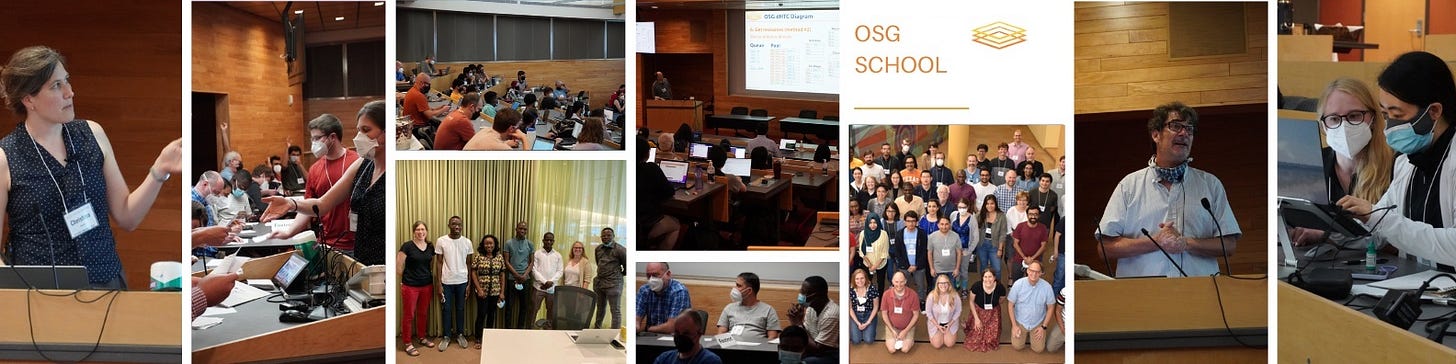
Explore our event page to learn more about previous and upcoming events.
A Sign Off
Thanks for engaging with our April edition of HTC News. If you’re a researcher, collaborator, or Institution working with or contributing to HTC and want to be featured in future newsletters, please reach out to us at chtc@cs.wisc.edu or share some of your work in the comments below.
Until next time,
The CHTC Communications Team